
Understanding the Role of Smart Watering Systems
Maintaining a lush, green lawn can be challenging, particularly in areas prone to drought or water restrictions. An irrigation system offers a solution by optimizing water use and ensuring your lawn stays vibrant. Unlike traditional watering methods, modern systems target specific areas with precision, reducing waste and conserving resources. For homeowners seeking sustainable practices and cost savings, understanding how these systems work is crucial. In this guide, we will explore various facets of irrigation systems and their impact on water efficiency.
The Benefits of Enhanced Water Management
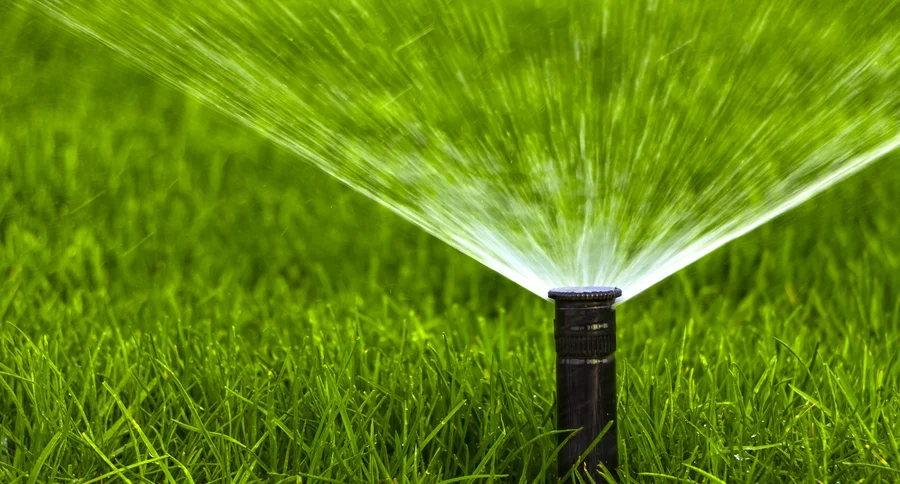
An efficient irrigation system provides numerous advantages beyond just keeping your lawn green. One of the main benefits is its ability to deliver water directly where it’s needed, minimizing evaporation and runoff. Advanced technologies like smart controllers and moisture sensors further enhance efficiency by adjusting watering schedules based on weather conditions and soil moisture levels. This not only conserves water but also reduces utility bills over time, offering long-term financial savings.
Overcoming Common Watering Challenges
Many homeowners face issues with uneven watering, which can lead to patchy lawns and wasted water. Traditional sprinkler systems often lack precision, leading to oversaturation in some areas while others remain dry. By considering an irrigation system installation, you can address these challenges effectively. These installations ensure even coverage across your entire lawn, preventing both underwatering and overwatering.
Steps to Implementing a New System
If you’re considering upgrading your lawn care methods, knowing the steps involved in an irrigation system installation can help streamline the process. Firstly, evaluate your current lawn needs and identify areas that require more water attention. Secondly, select a system that meets those needs, whether it’s a drip irrigation or a rotary sprinkler setup. Lastly, hire professionals to install and calibrate the system correctly, ensuring optimal performance from day one.
Best Practices for Maintaining Efficiency
To keep your irrigation system running efficiently, regular maintenance is essential. Here are some best practices:
- Inspect the system monthly for leaks or clogs.
- Adjust the timers seasonally to match changes in climate.
- Replace broken or worn-out components promptly.
- Calibrate spray heads annually to maintain accurate coverage.
Industry Standards for Sustainable Lawn Care
Sustainable lawn care isn’t just about saving water; it’s also about adhering to industry standards and regulations designed to protect the environment. Many regions have guidelines on how much water can be used for landscaping purposes. Choosing an irrigation system that complies with these standards can help avoid penalties and contribute to broader conservation efforts. Moreover, using eco-friendly materials and technologies aligns with best practices for environmental stewardship.
Cost Considerations and Value Propositions
While the initial investment in an irrigation system might seem significant, it’s important to consider the long-term value proposition. By reducing water usage and enhancing efficiency, these systems lower utility costs and increase property value. When evaluating options, consider factors such as installation costs, potential savings on water bills, and any available rebates or incentives for installing water-efficient systems.

Final Thoughts on Efficient Lawn Care Solutions
For those looking to improve their lawn’s health while conserving resources, investing in an efficient irrigation system is a wise choice. With careful planning and implementation, these systems offer both ecological benefits and financial savings. Contact Michael's Irrigation LLC today at (314) 237-3367 for expert advice on choosing the right system for your home. Located in St. Louis, MO, our team is dedicated to providing top-notch service tailored to your unique landscape needs.