
The Impact of Weather Variations on Lawn Watering Systems
Seasonal changes can significantly impact how your lawn irrigation system functions. Whether it’s the shift from spring to summer or the transition into winter, weather variations play a crucial role in determining the amount of water your lawn needs. Understanding these changes helps you adjust your system for optimal performance, preventing over-watering or under-watering. Let’s explore how different seasons affect your lawn irrigation and what you can do to maintain its efficiency.
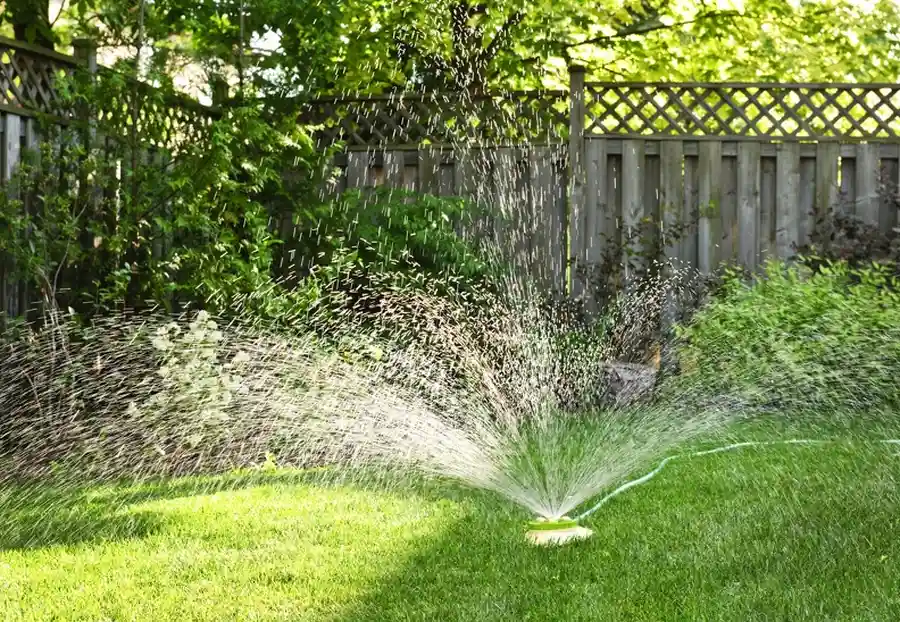
The Role of Temperature in Irrigation
Temperature fluctuations throughout the year influence your lawn’s water requirements. During hot summers, evaporation rates increase, leading to more frequent watering needs. Conversely, cooler fall and spring temperatures reduce evaporation, allowing you to cut back on irrigation frequency. By acknowledging these temperature shifts, homeowners can better manage their irrigation systems, ensuring lawns remain healthy without wasting resources.
Precipitation and Its Effects
Rainfall patterns vary with each season and directly impact your lawn’s hydration levels. In rainy periods, relying solely on natural precipitation can suffice, reducing the need for artificial watering. However, during dry spells or unexpected droughts, you may need to rely on additional watering. Efficient irrigation system repair ensures that systems are ready and responsive to sudden changes in rainfall.
Adapting to Daylight Duration
The number of daylight hours also affects how you plan your lawn care routine. Longer days in summer provide more sunlight, promoting faster growth and higher water demand. On shorter winter days, grass growth slows down, requiring less frequent watering. It is essential to adjust your watering schedule based on daylight exposure to promote healthy growth while conserving water effectively.
Preparing for Winter Conditions
Winter poses specific challenges for lawn irrigation due to freezing temperatures. It’s crucial to winterize your system before the first frost by draining pipes and shutting off valves to prevent damage. Proper irrigation system repair includes checking for leaks or blockages before winter sets in, ensuring everything works efficiently come spring.
Spring Maintenance Tips
As temperatures rise and lawns start to green up, spring is an ideal time for maintenance checks. Verify that sprinklers and nozzles function correctly after months of dormancy. Adjust settings to accommodate new growth and increased sunlight exposure. Regular checks help identify issues early, reducing the likelihood of costly repairs later.
- Inspect sprinkler heads for clogs
- Adjust timers for longer daylight hours
- Check for leaks after cold snaps
Efficient Water Usage Strategies
Conserving water is vital for both environmental and economic reasons. Implementing efficient practices such as using rain sensors or smart controllers can optimize your irrigation efforts. These technologies adapt to current weather conditions, automatically adjusting schedules to prevent overwatering. Investing in these solutions not only saves water but also extends the lifespan of your lawn irrigation system.
Professional Assistance and Solutions
If seasonal adjustments seem overwhelming, consider seeking professional assistance. Experts can offer tailored advice and perform necessary irrigation system repair tasks that ensure optimal operation all year round. They have the tools and experience needed to address any concerns regarding system functionality, ultimately saving you time and effort.
Your Partner in Lawn Care
Choosing reliable professional services for your lawn’s needs ensures peace of mind as seasons change. Based in St. Louis, MO, we at Michael's Irrigation LLC understand how important it is for your lawn irrigation system to function seamlessly through every weather condition. Contact us at (314) 237-3367 for expert guidance and support tailored to meet your specific requirements.